
The diamond shape guide
Shape is the most personal call in a diamond purchase. Cut grade, color, and clarity all have correct answers within your budget. Shape only has the answer that suits the wearer. Here’s what each one does — and the practical wear notes that don’t make it onto most websites.
Round brilliant
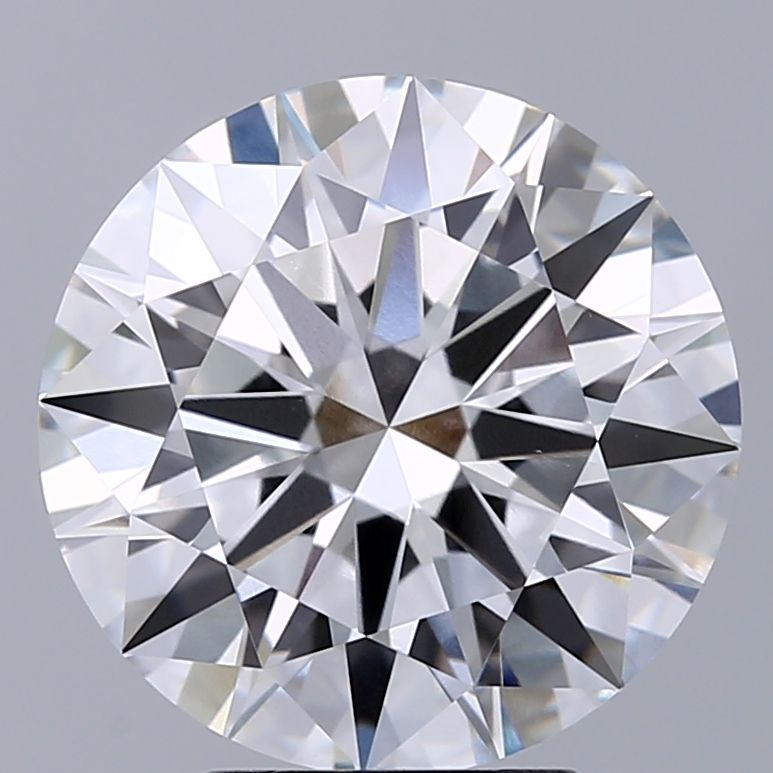
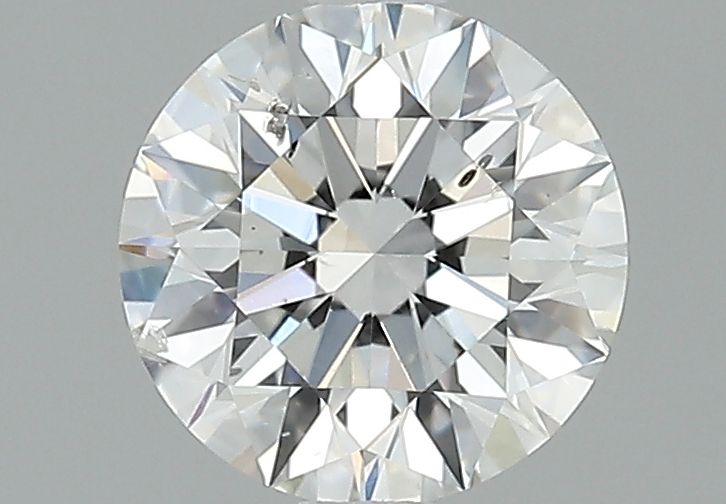
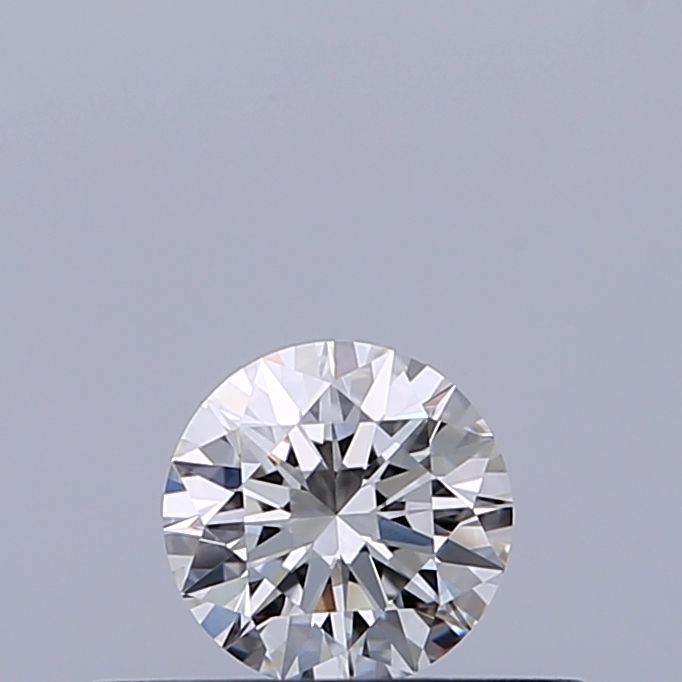
The benchmark. 57 or 58 facets engineered for maximum return of light. About 75 % of engagement-ring center stones globally are round, which means: highest demand, highest price per carat, and the most polished secondary market. If you don’t have a strong instinct otherwise, round is the answer.
Oval
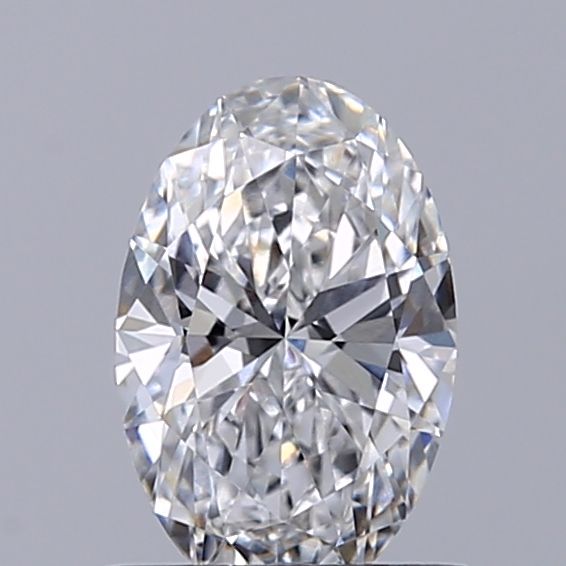
Round brilliant’s elongated cousin. Visually larger than a round of the same carat weight — about 10 % more crown surface — which is why it’s been the runaway favorite of the last five years. Watch for the “bowtie”: a dark shadow across the middle of poorly cut ovals. Insist on an Excellent / Very Good cut grade or commit to seeing the stone in person.
Princess
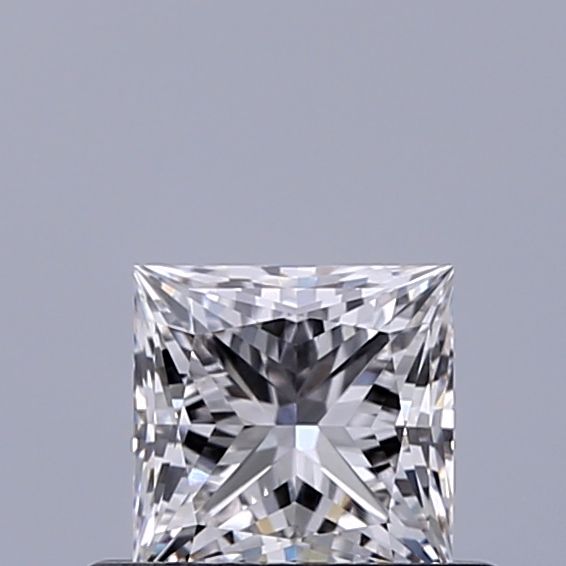
Square with pointed corners. Modern, sharp, and one of the most sparkle-efficient cuts after round. Corners are vulnerable — protect them with a setting that covers them (four corner prongs or a partial bezel).
Cushion
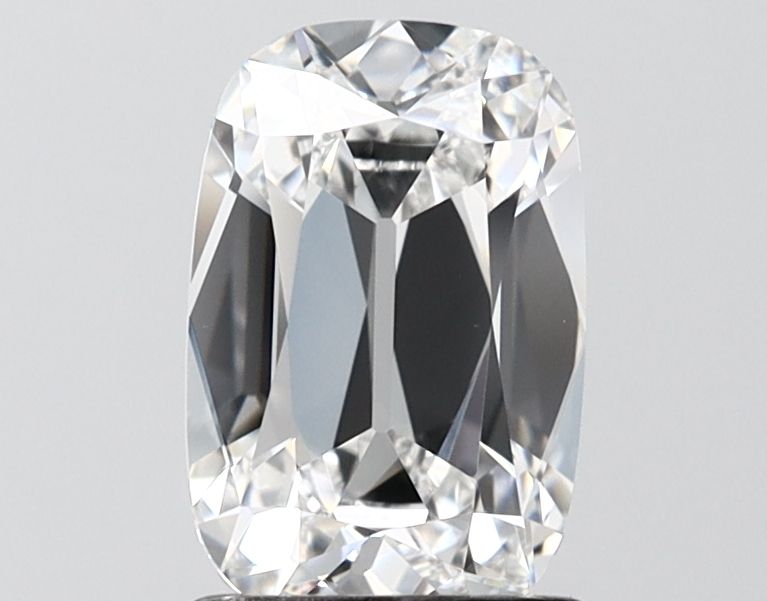
Square-ish with rounded corners. Reads vintage, holds light beautifully, and forgives slight inclusions because the broad facets break them up visually. The cushion family is wide — “cushion brilliant” sparkles like a round; “old mine cushion” reads more antique. Look at both before you commit.
Emerald
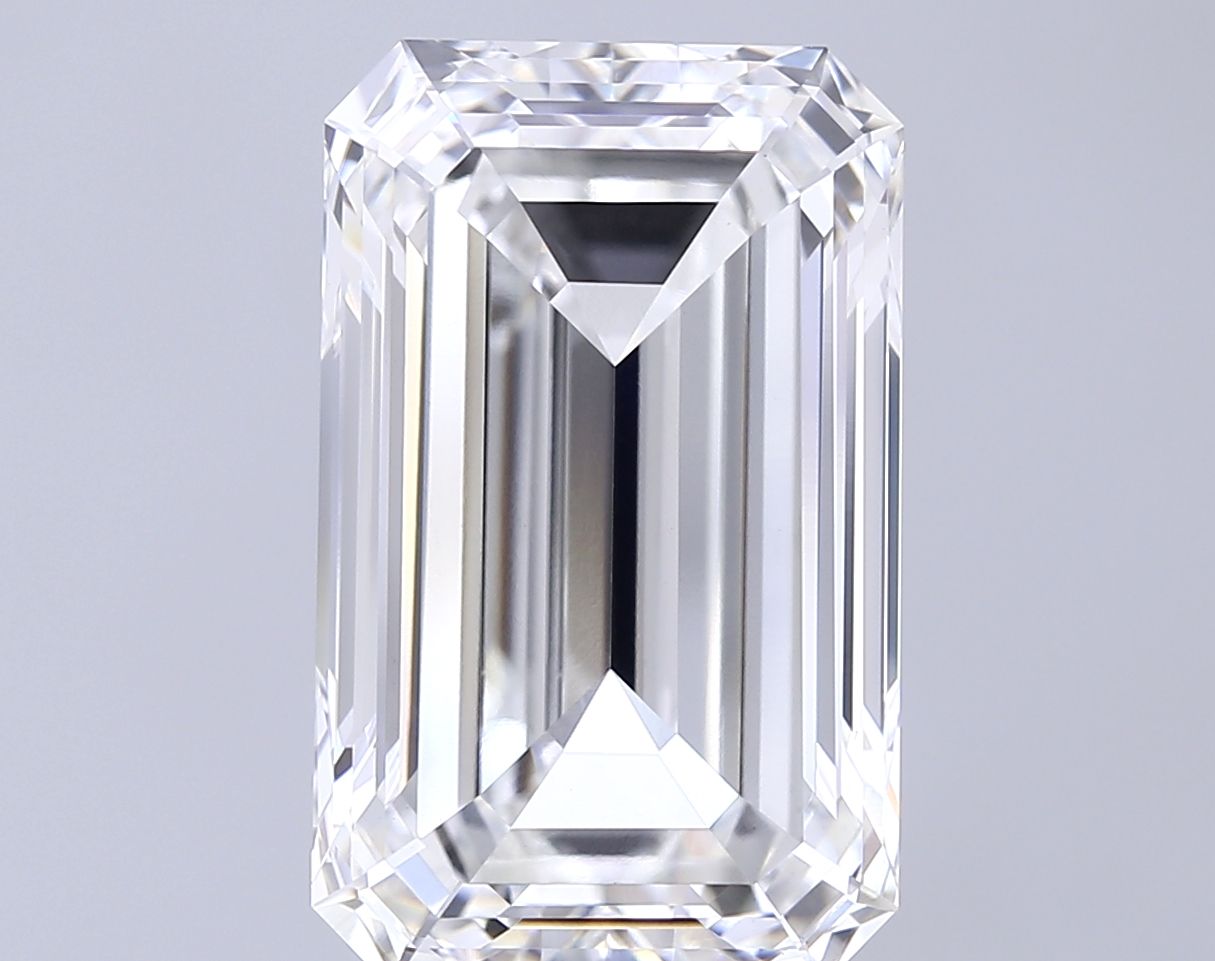
Step-cut rectangle with clipped corners. Not sparkly in the traditional sense — emerald cuts produce broad flashes (the “hall of mirrors” look) rather than scintillation. Demands a high clarity grade because inclusions show. Stunning on a long finger.
Asscher
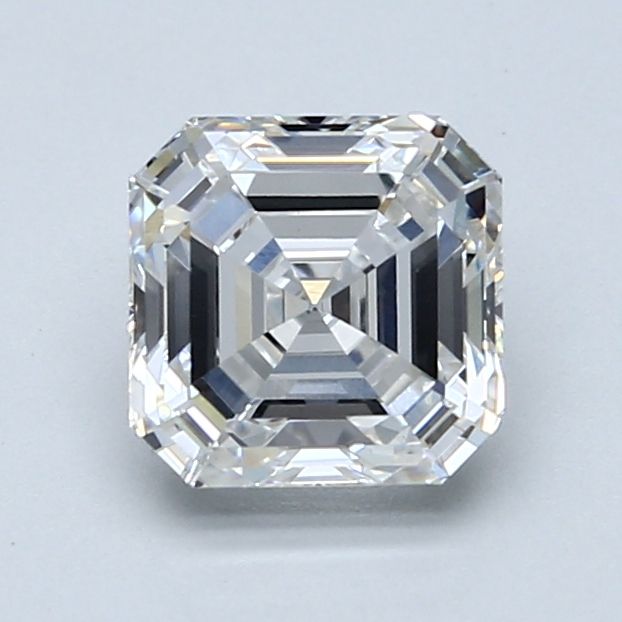
The square sibling of the emerald cut. Same step facets, same need for clarity, more art-deco character. Looks like the diamond itself is a geometric object rather than a sparkling one.
Marquise
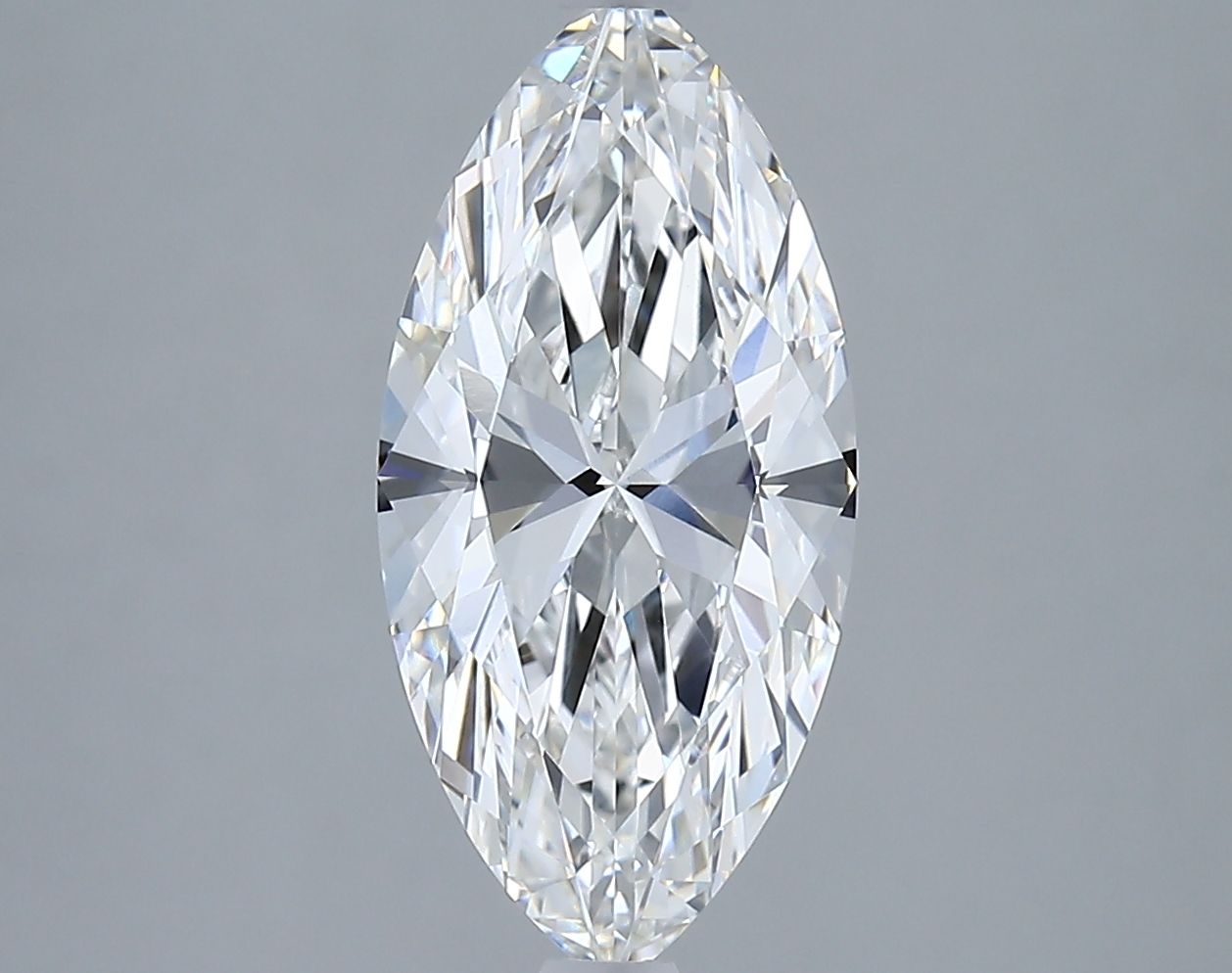
Elongated with two pointed ends. Maximum perceived size per carat — a 1.0 ct marquise looks bigger than a 1.0 ct round. Polarizing; either you love the silhouette or you don’t. Both points are fragile, so set them in V-prongs.
Pear
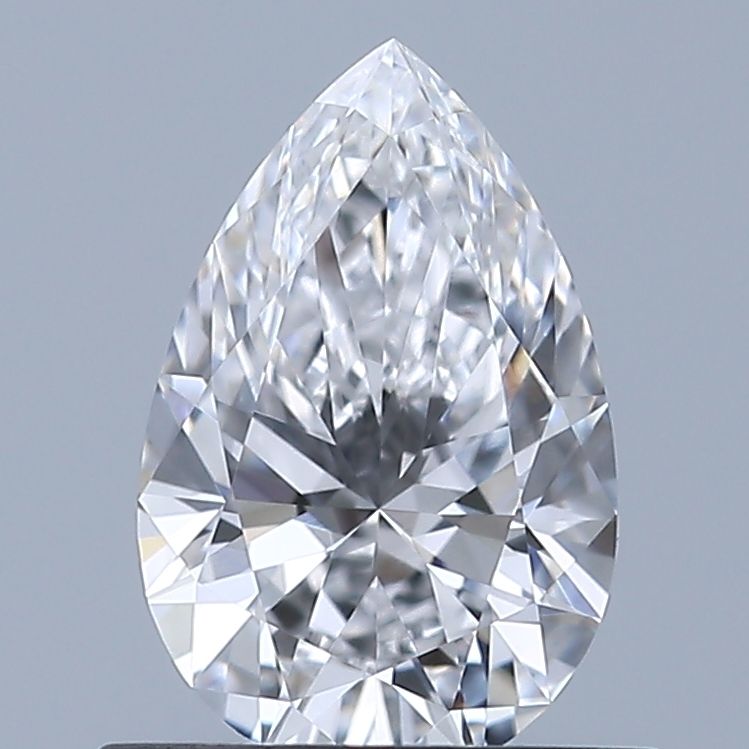
Round on one end, point on the other. Best worn point-out toward the fingertip — it visually elongates the finger. Like the oval, watch for a bowtie.
Radiant
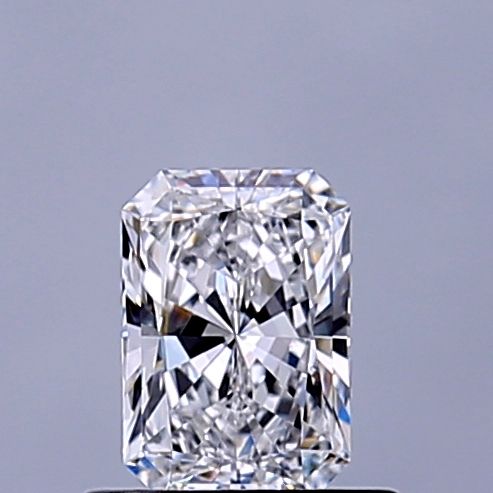
Rectangular with cropped corners and brilliant-cut faceting (not step cut). Combines the silhouette of an emerald with the sparkle of a round. Underrated.
Heart
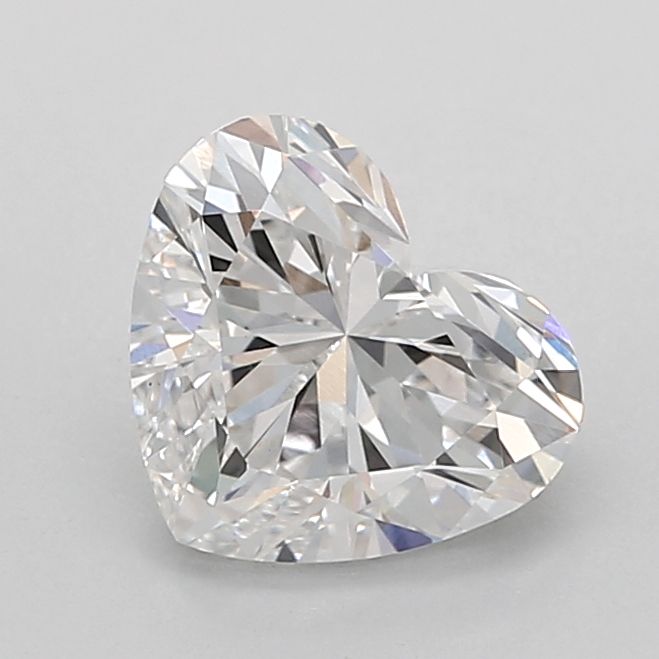
Self-explanatory. Cutting a clean heart is harder than it looks — the “cleft” at the top of the heart has to be symmetric, and the lobes have to mirror exactly. Buy with a Very Good or better symmetry grade.
Specialty, antique & geometric cuts
Beyond the ten classics, our diamond inventory rotates through a handful of less-common cuts. They appear in the shape filter only when we have them in stock — here’s what to know if one catches your eye.
Old European & Old Mine
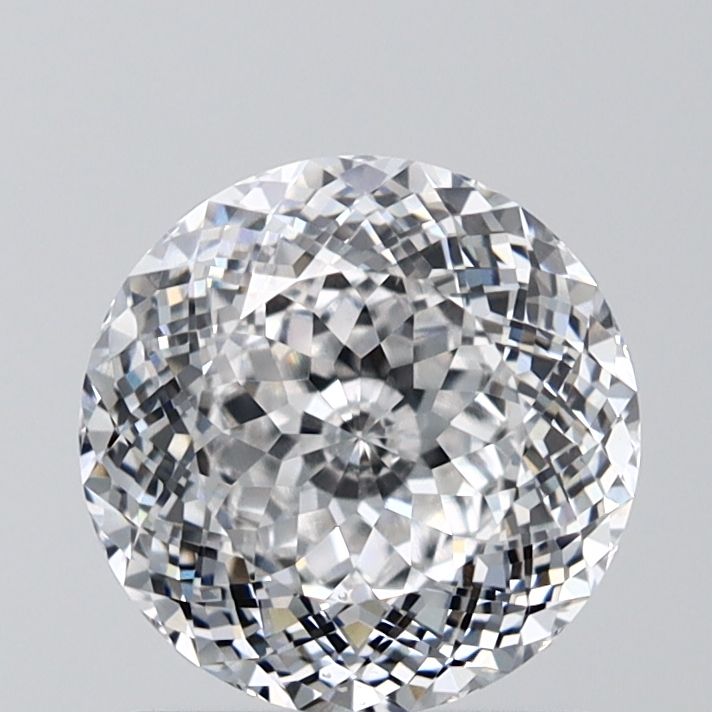
The hand-cut ancestors of today’s round and cushion, finished before electric saws (pre-1900s). Expect a smaller table, a taller crown, and chunky facets that throw a warm, candle-lit glow rather than the crisp sparkle of a modern brilliant. Each one is faintly asymmetric — that’s the character of a hand-cut stone, not a defect. The honest choice for a genuinely antique or heirloom-style ring.
Trilliant (trillion)
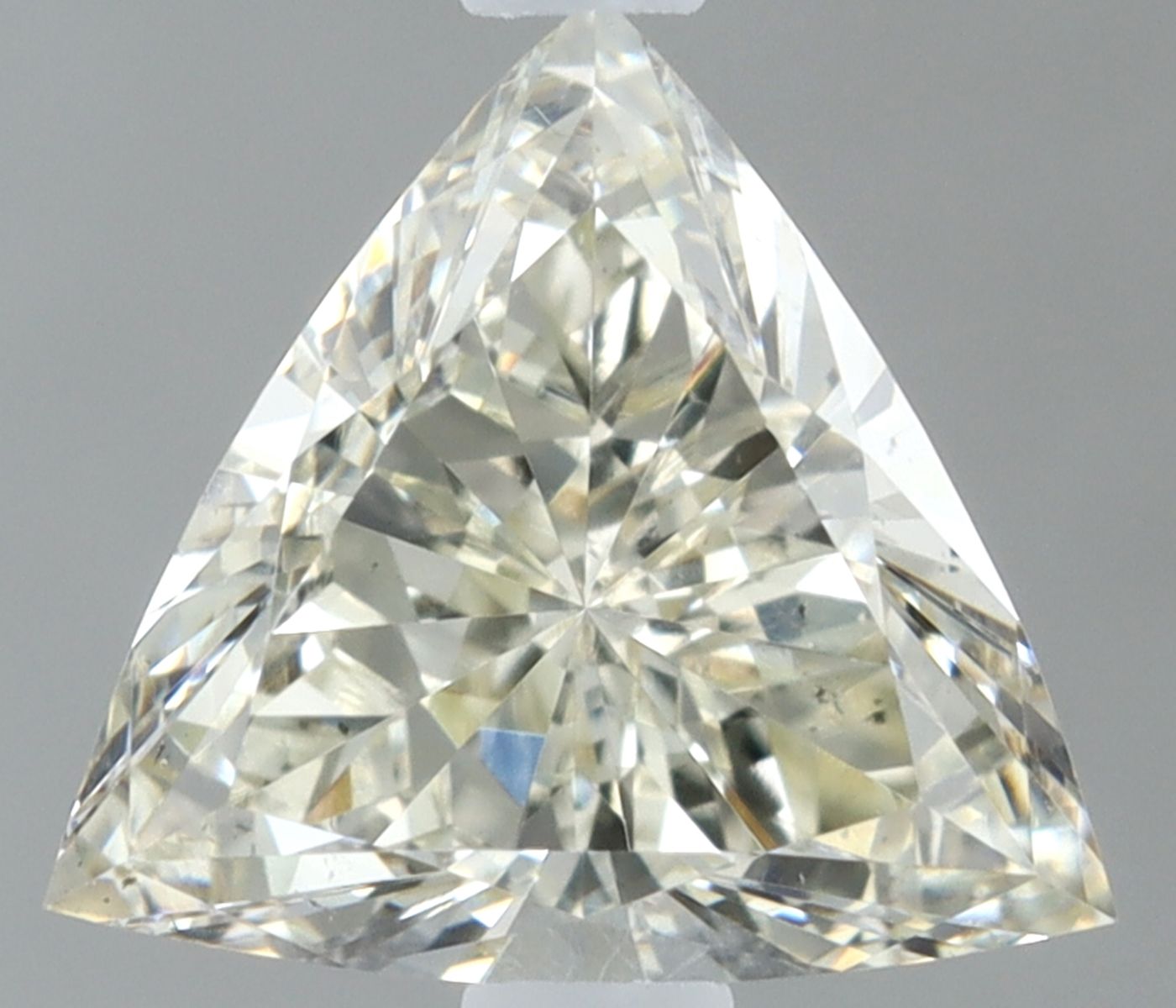
A triangular brilliant — bold, modern, and full of spread: it looks larger than its carat weight because so much of the stone sits face-up. The three points are fragile, so set it in V-prongs or a protective bezel. Also a favorite as the side stones flanking a round or emerald center.
Hexagonal & geometric
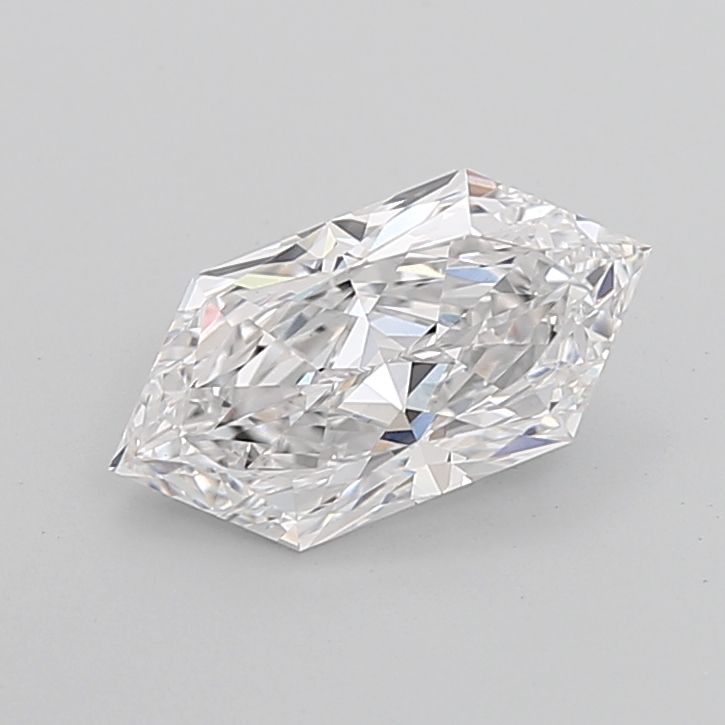
Six-sided cuts (and their cousins — kite, shield, lozenge) read clean and architectural, especially bezel-set in a minimalist or east-west ring. Almost always lab-grown, since these silhouettes are rare in natural rough. A distinctive look for someone who doesn’t want a “ring-shaped ring.”
Rose cut
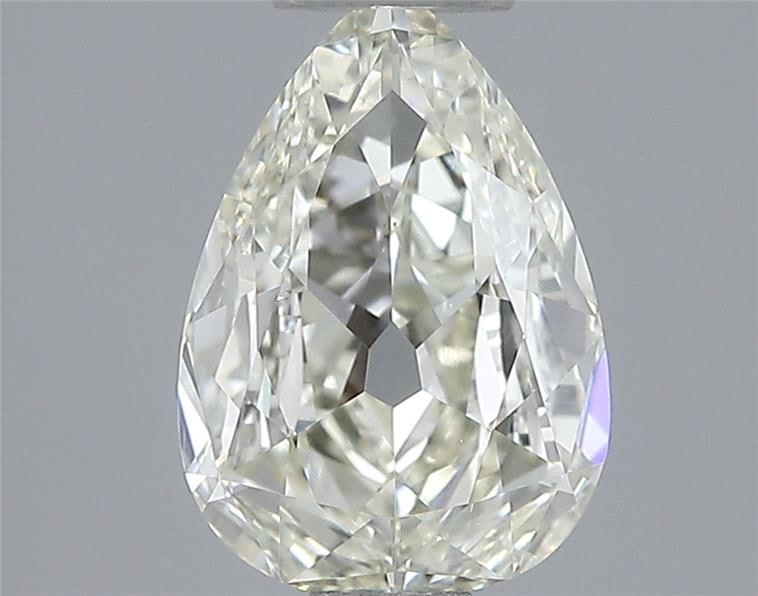
A flat base with a domed, faceted top and no pavilion — so it glows softly rather than sparkles, and sits very low to the finger. Antique and bohemian; lovely in an organic or bezel setting, and forgiving on a budget since it carries its weight as spread rather than depth.
Step-cut squares. A square emerald and square radiant are simply the square (1:1) versions of the Emerald and Radiant cuts above — same step-cut versus brilliant faceting, same clarity advice, just a different silhouette.
Shop diamonds by shape
Frequently asked
More from the diamonds guides
Written by
Anna
Jeweler · Mevula
Anna works with Mevula clients on stone selection, setting design, and fit — making sure every piece is right before it’s made.
Book a consultation with our in-house jewelersLast updated May 2026